How Are Ice Cream and Sherbet Different?
March 14, 2016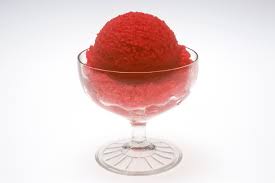 Ice cream and sherbet are both delicious desserts that are popular around the world, but many people do not know what the difference is between the two. They vary in terms of the amount of dairy products they contain and must meet standards set by the federal government. Ice cream and sherbet are made with a similar process, but the only difference is in the ingredients.
The main ingredients in ice cream are milk, cream, sugar, and any of an endless variety of flavorings. Some recipes also include eggs, fruit, and colorings.
Ice cream is defined by the U.S. federal government as a frozen dessert with at least 10 percent milkfat. It also has no more than 100 percent overrun, which means that it is churned in air during the freezing process but contains no more than 50 percent air.
Ice cream can fall into one of several categories, depending on the amount of butterfat it contains. Premium ice cream can consist of 11 to 15 percent butterfat, which makes it denser and higher in calories than other types of ice cream. Regular ice cream has 10 to 11 percent butterfat, and economy ice cream has exactly 10 percent. Reduced-fat ice cream has 25 percent less butterfat than regular ice cream, and light ice cream has 50 percent less than regular.
Sherbet is made by combining fruit, fruit juice, flavorings, vegetable gum or another stabilizer, and a small amount of dairy product. Sherbet contains about 1 to 2 percent cream, milkfat, or butterfat. The mixture is very briefly heated to a high temperature to enhance the flavor and quality. It is then homogenized, cooled, and allowed to “age” for a few hours to achieve a uniform texture. The mixture is agitated and partially frozen and then frozen hard without agitation.